Guide
What the metal actually is
Most affordable jewellery is plated, and there is nothing wrong with that — as long as the shop says so. Here is what each term on our product pages means.
316L stainless steel
A surgical-grade steel alloy. The important thing about it here is that it is solid — the metal is the same all the way through, so there is no coating to wear off and expose something else underneath.
Our 316L pieces are made without nickel. It holds up to water, does not tarnish in ordinary use, and keeps its finish for years. It is the material we point people towards first when plated jewellery has caused a problem before.
925 sterling silver
92.5% silver with 7.5% other metal for strength, stamped “925”. Also solid rather than plated, and also made without nickel in our pieces.
Sterling tarnishes. That is a chemical reaction with air and moisture, not a fault, and it comes off with a treated polishing cloth. Store it sealed in an anti-tarnish pouch between wears and it barely happens at all.
Gold-plated over brass or alloy
A very thin layer of gold applied over a base metal — usually brass, zinc alloy or a copper-based alloy. The gold you see is real gold; there is just not very much of it, and it is on the surface.
Plating is not solid gold and it is not gold-filled, which is a different and much thicker process. We never describe a plated piece as solid or filled, and we always name the base metal underneath.
Plating wears. Friction, moisture, perfume, hairspray, chlorine and salt water all speed that up. A ring worn daily will show wear sooner than earrings worn twice a month. Take plated pieces off before showering, swimming and exercise, put them on after fragrance, and wipe them dry after wear.
Nickel, and why we say so
Nickel is the most common cause of contact allergy in jewellery. It is often present in brass, zinc and copper-based alloys used as a plating base.
Every jewellery page on this site says whether a piece contains nickel in its base alloy. If a plated piece wears through in a spot, the base metal — and any nickel in it — can reach your skin.
We do not describe anything on this site as hypoallergenic or as unable to cause a reaction. People react to different things, including materials most people tolerate. What we can do is tell you exactly what a piece is made of so you can decide. If your skin reacts, stop wearing the item, and speak to a doctor or dermatologist if the reaction is significant.
Simulated pearls and stones
Where we use pearls they are simulated — a resin or glass bead with a pearlescent coating — and we say so. Where we use clear stones they are cubic zirconia or glass, described as simulated, never as diamond or natural gemstone. Dyed natural stone in beaded pieces varies in tone between individual stones, which is normal for the material.
Textiles
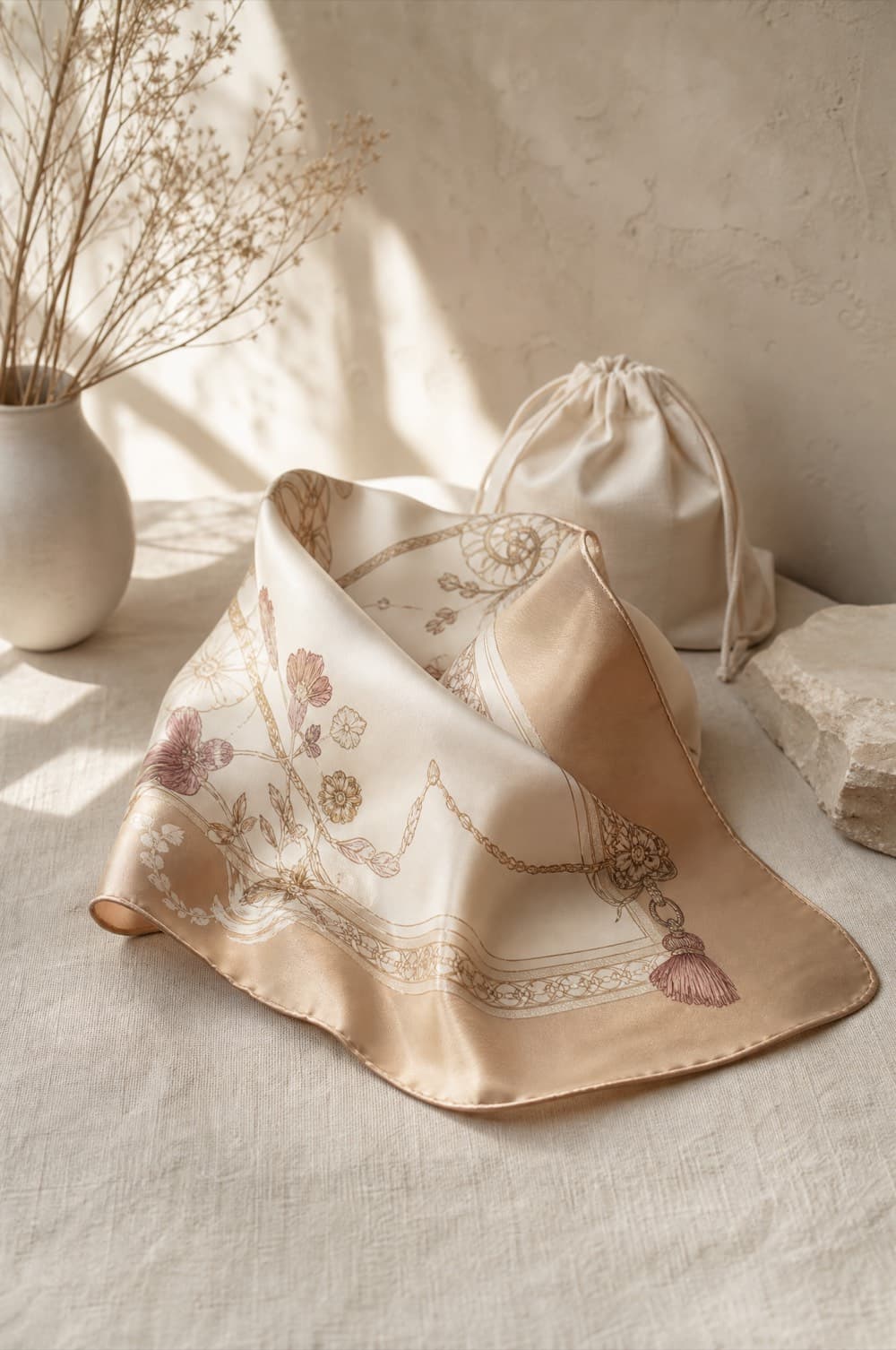
Our silk-feel scarves are polyester woven and finished to handle like silk. We call them silk-feel rather than silk, because they are not silk. Polyester holds print colour well, resists creasing, washes at home and costs a fraction of the price.
Where we use natural fibre — modal and cotton in the wrap, wool and cashmere in the winter wrap, cotton in the bandanas — the composition is given as a percentage on the product page.
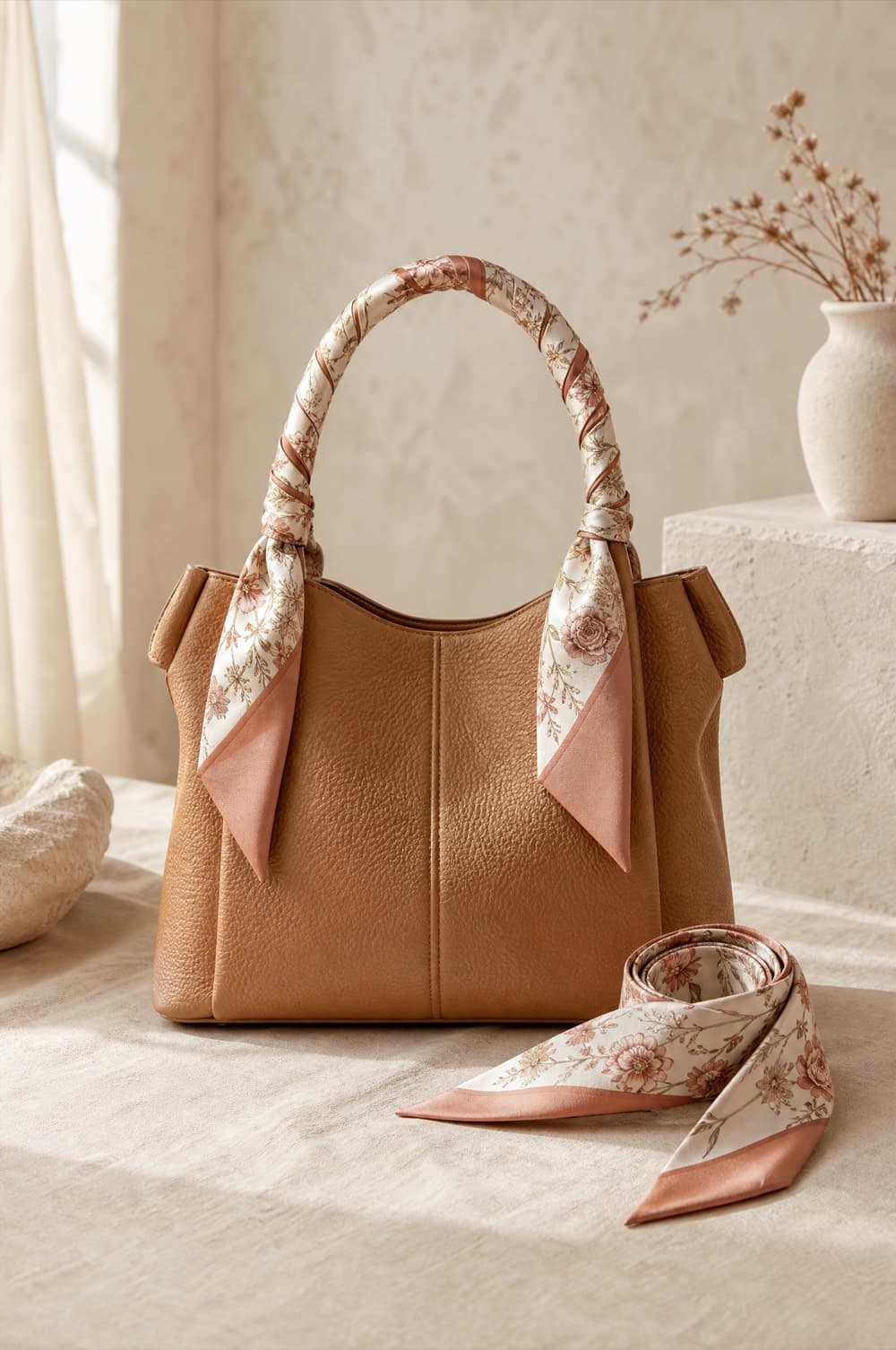
PU means polyurethane-coated fabric. It is not leather and we never call it leather. Where an item is genuine leather, we say full-grain cowhide and name it as leather.
Pieces from this guide
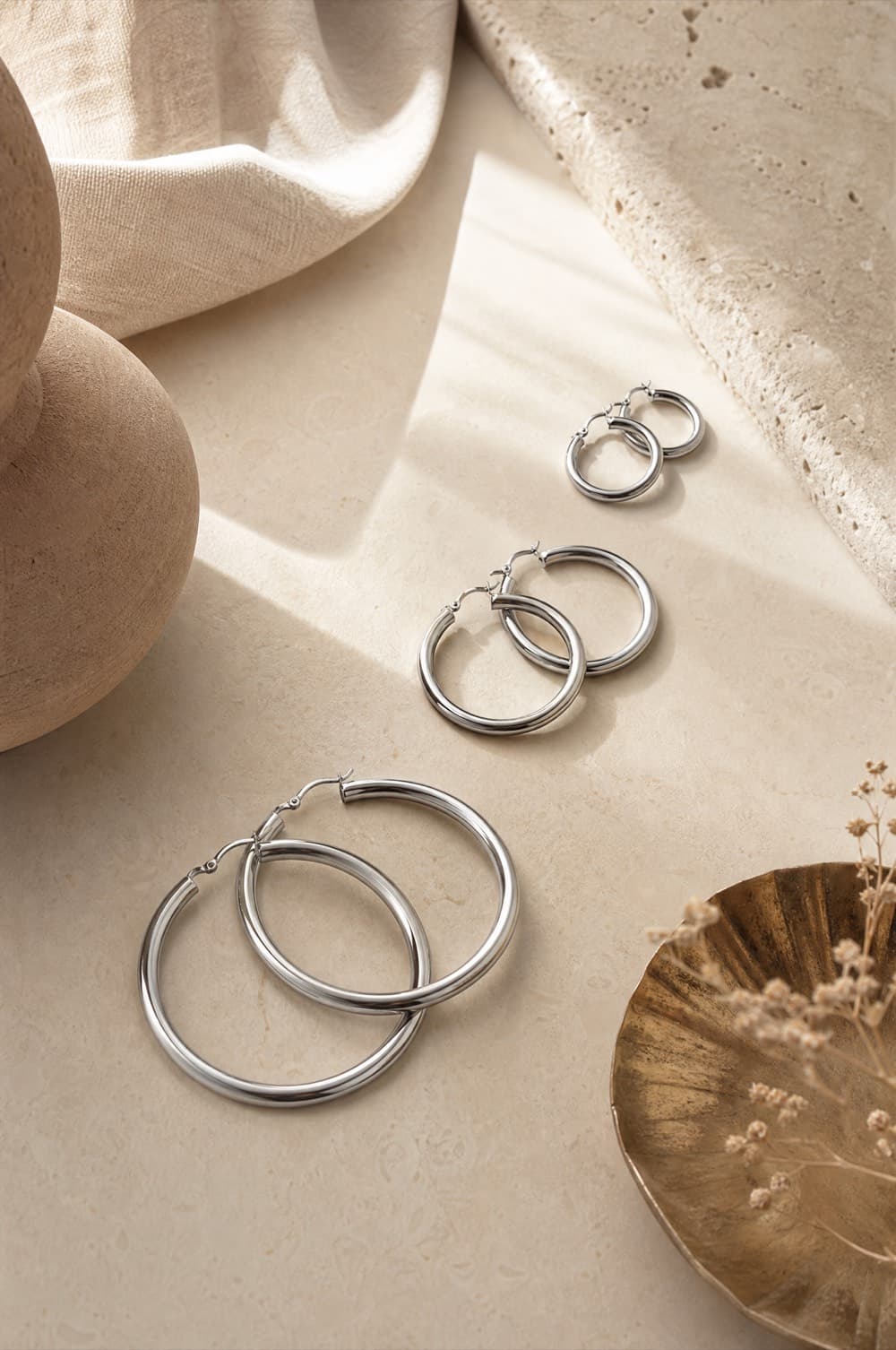
Three hoop sizes in 316L stainless steel.
One size · pierced ears
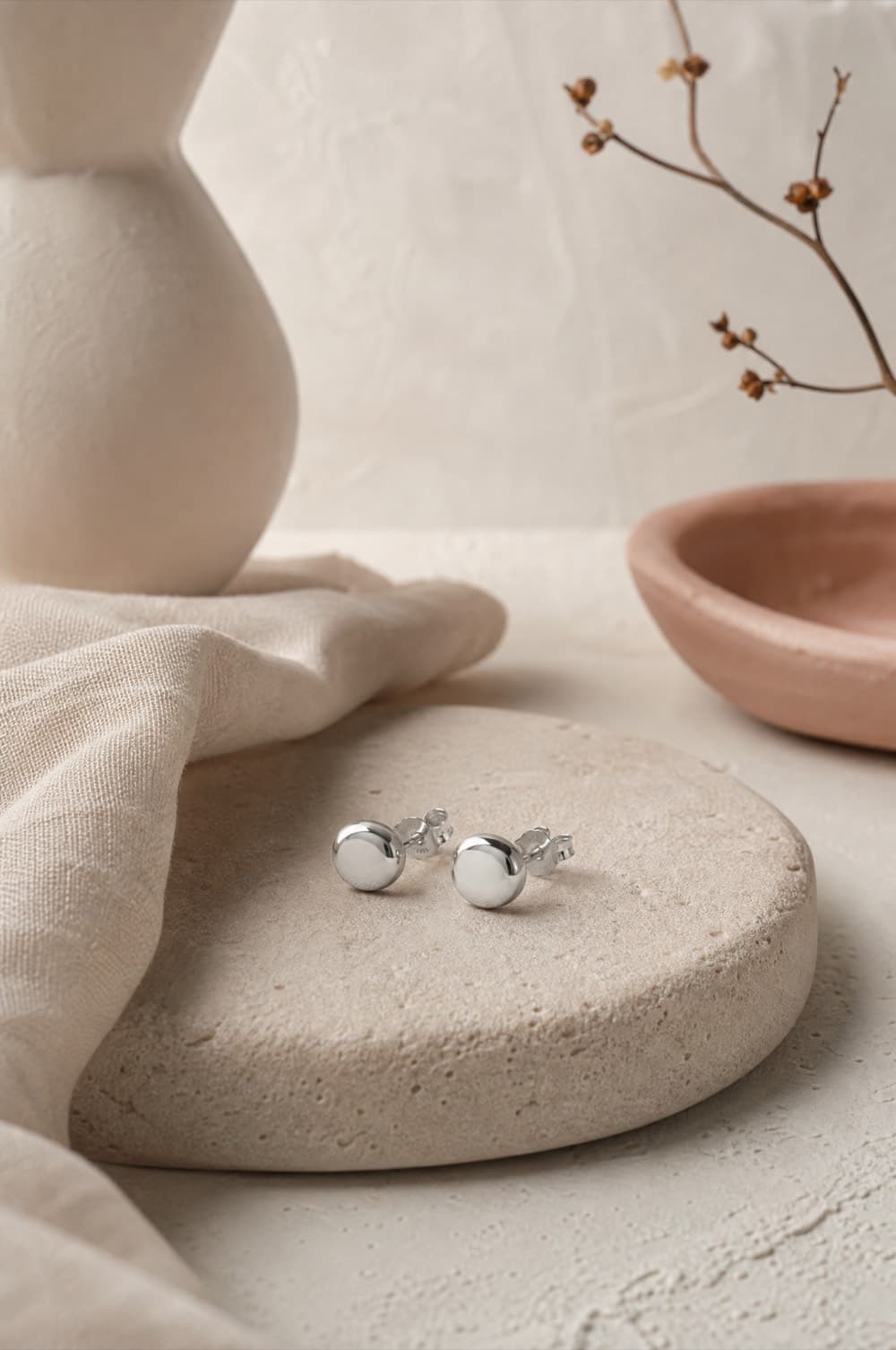
925 silver, one clean shape.
One size · pierced ears
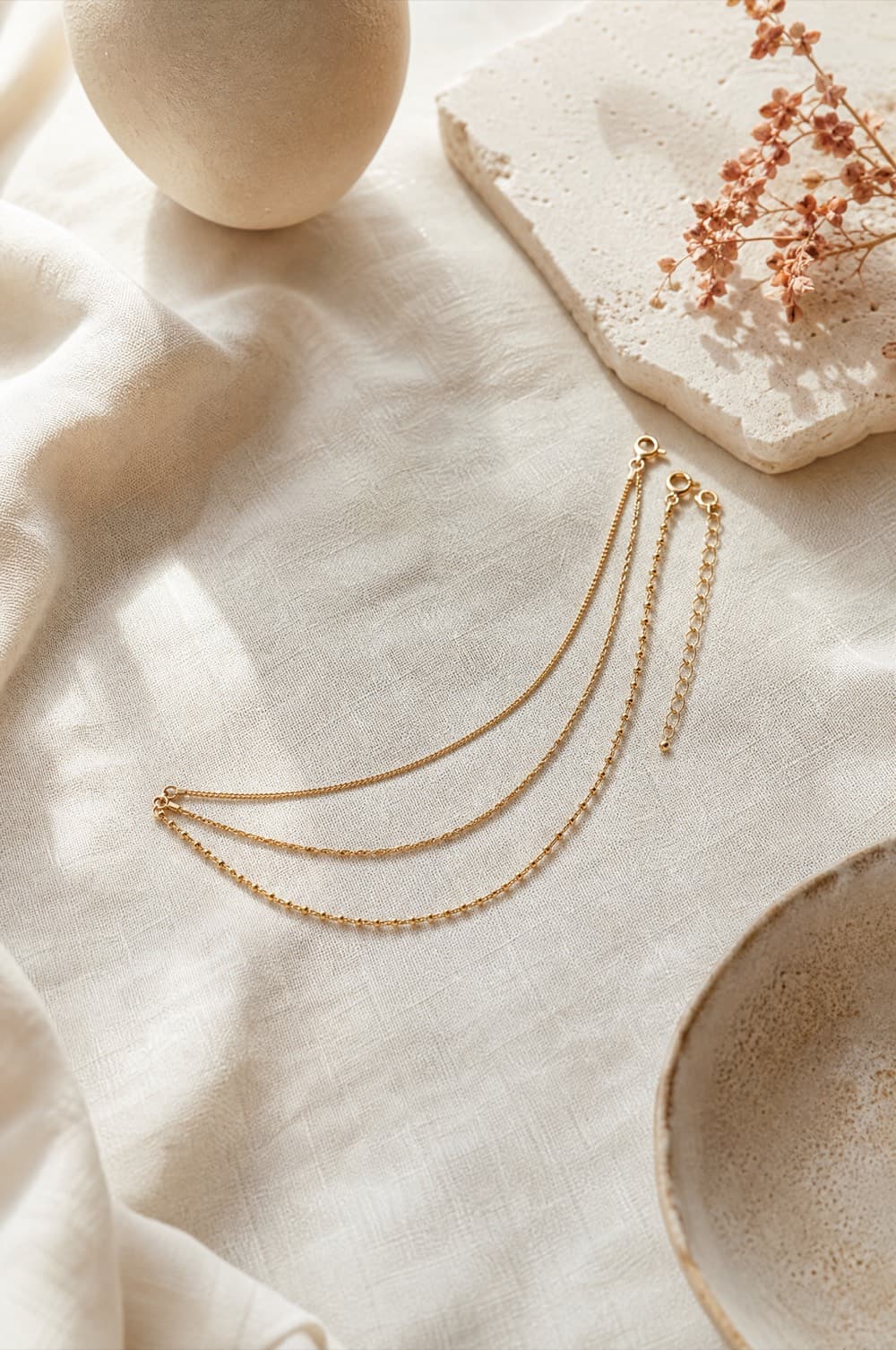
Three lengths that were designed to sit together.
One size or adjustable
Slows down what wear does to a plated finish.
One size or adjustable
Something here unclear or contradicted by what you received? Tell us and we will correct it.